


Hello angelic ones,
Do you come here often?
Well, I’m starting to.
Answering your questions twice a week has become something I deeply look forward to. There’s an intimacy to writing to someone that is reminiscent of some of life’s most intoxicating experiences- making a new friend who is such a ball that you wish you could plug a USB cable into their brain for a direct download, or falling in love. You become more intentional with your words and more present with your thoughts. So, thank you for that.
Thank you, also, for making Famesick a #1 bestseller in the US, UK and Canada🥹😭 I have been truly awed, full of an almost goofy level of gratitude (my vibe is very “even the trees are smiling!”) I’ve now been doing this for long enough to really appreciate these moments, and I’ve always appreciated you, the reader, most of all.
This book tour (not yet over! I’m coming for you New Haven, SF & LA, plus I have a virtual event live from my bedroom this Monday night) has been a genuine blast. That’s obviously because of the amazing energy y’all are bringing, but it’s also because I had a pretty life changing surgical procedure, one that has given me a vitality that I thought was lost to me.
When my doctor Alexis Cutchins -- a cardiologist with an expertise in EDS -- suggested my eternally low blood pressure and episodes of fainting/disorientation might have an actual structural cause, I was skeptical. Not because I don’t trust her (because I trust her with my literal life!), but because I have sniffed down so many dead end alleys in the search for relief and learned to keep my expectations measured. The general medical response to these reports had always been something along the lines of “drink more water, eat more salt, better that it’s low than high!” Just like doctors told me as a teen that hideous cramps were just a natural part of having your period, it seemed inexorable fatigue, too, was just what it is to be a woman. But Dr. Cutchins has been doing extensive work with Dr. E. Brooke Spencer on pelvic venous disorders and their effect on POTs patients, and she suggested that my symptoms could be the result of an issue that was keeping blood from reaching my heart and brain at the proper rate. After some research, I decided to go to Denver in March to see Dr. Spencer and have a venogram (imaging of the whole wild web of veins and arteries- medicine is wild!) and -- if they found the cause -- have her do some tweaks. I was very nervous, because if my recovery didn’t go as planned it wouldn’t leave much time before I hit the road. But the potential upside was too great to ignore.
Dr. Spencer not only knows about Ehlers-Danlos syndrome -- she actually has it. And the feeling of being in the care of someone with that kind of firsthand knowledge was remarkable in and of itself. But I didn’t expect much to actually change.
I am but a girl who failed biology twice, and so I’ll have the internet explain what Dr. Spencer found:
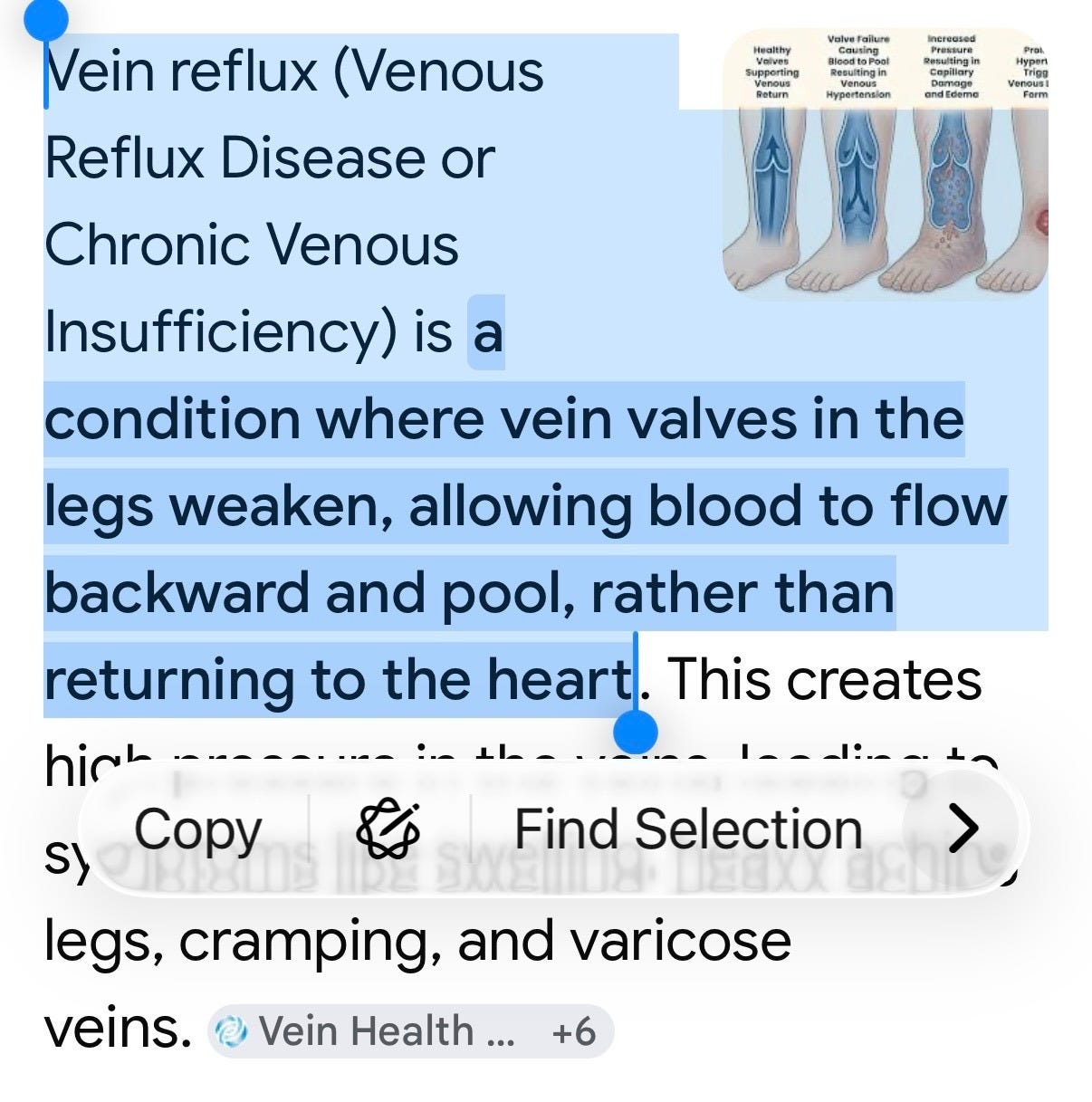
People with EDS are more likely to experience this because of tissue fragility- think of our connective tissue like a rubber band. Works for a while, then loosens up and now needs to wrap around an envelope three times to do a job it used to be able to pull off in one tidy loop.
My venogram revealed a 5-6 reflux second, which doesn’t sound like much, but when it comes to blood running in the wrong direction, it’s not ideal. Dr. Spencer was able to use radio frequency – what!? – to ablate the leaky valves in my legs and get the blood flowing properly again.
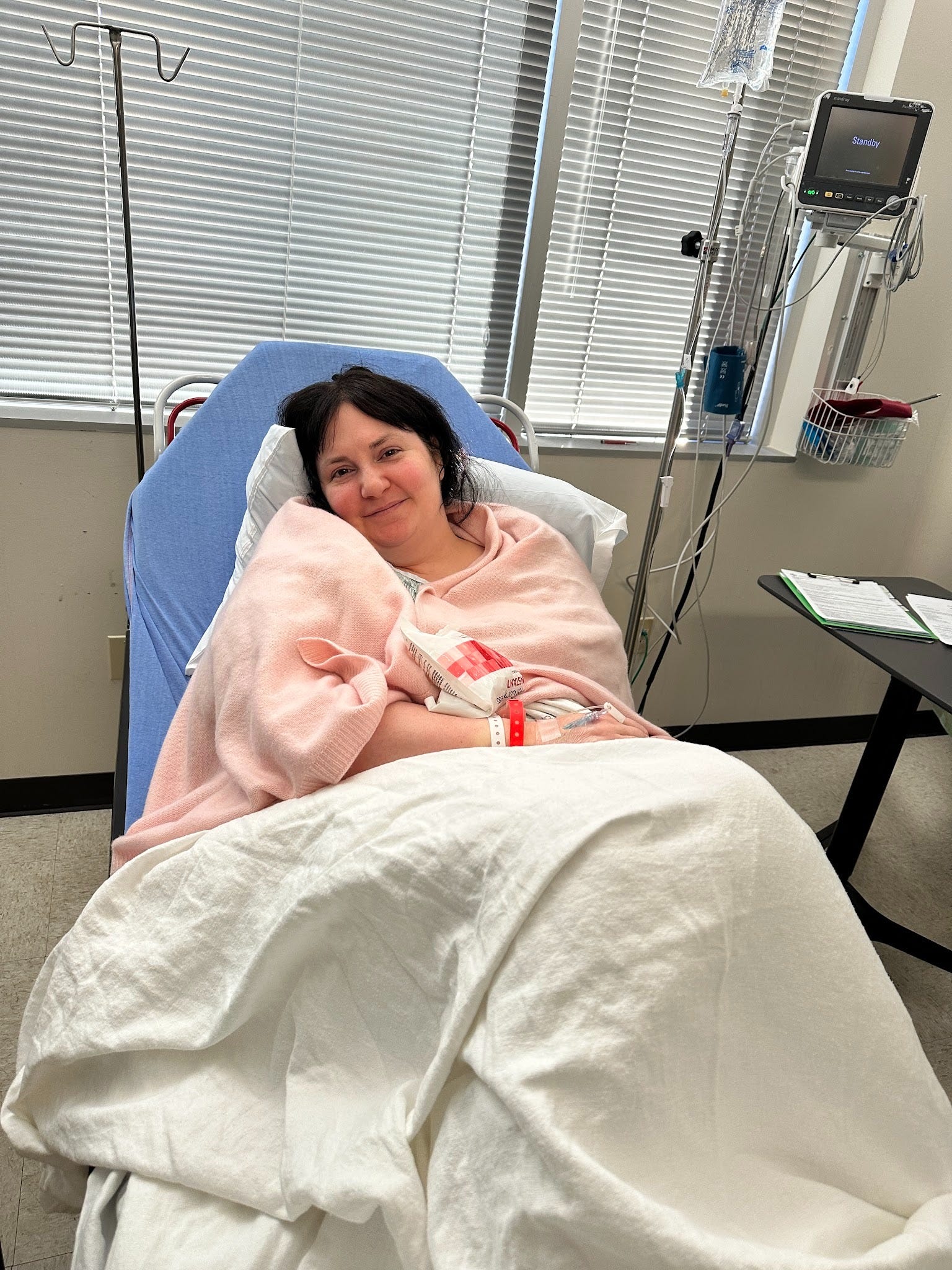
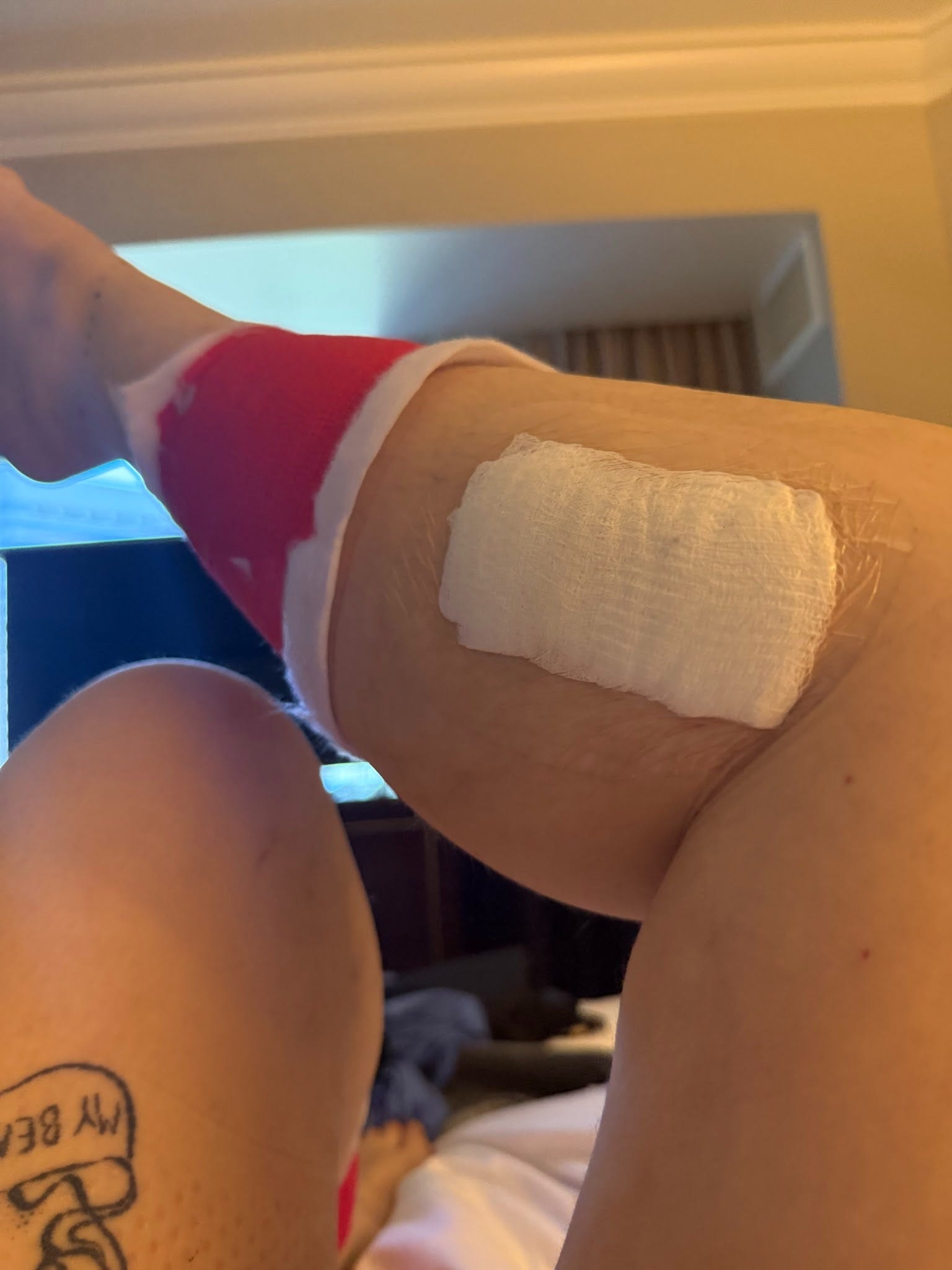
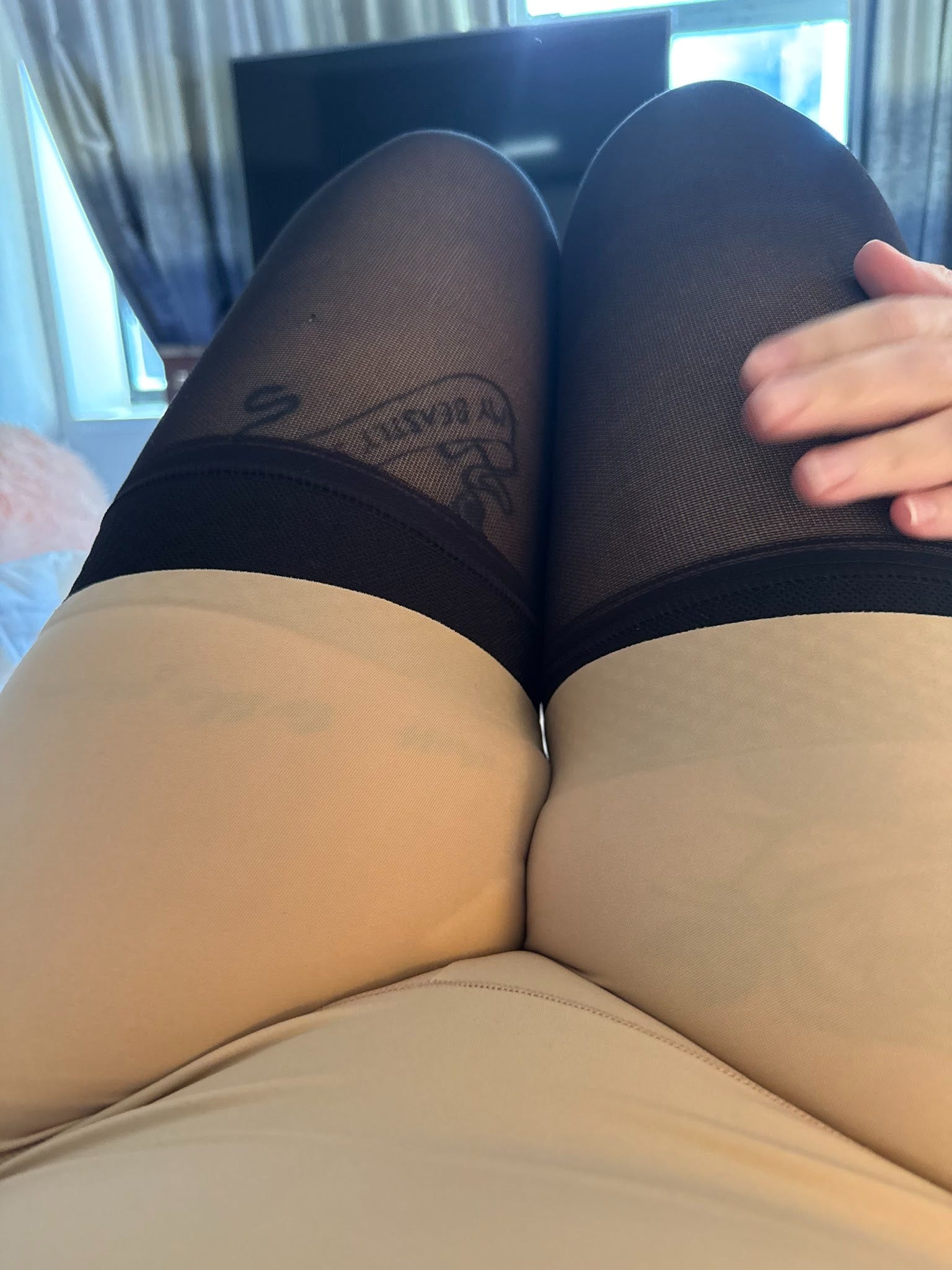
I was prepared for the usual panicky disorientation of waking up from surgery in pain, like someone who blacked out and lost a bar fight, but there was none. Honestly, the most alarming part was that they had somehow managed to pull these medical Spanx onto my body while I was out cold, a job that requires roughly four people’s profound concentration even when I’m awake.
After sleeping off the propofol (sad that I can no longer deploy my favorite Nicki Minaj propofol rhyme with the same joy) I noticed something very odd: I was sitting up. That may not sound strange to someone who doesn’t deal with low blood pressure or autonomic dysfunction, but for years my status quo has been horizontal. If I’m not required to be upright (meetings, sets, sadly restaurants) then I’m not. I may not be laid back, but I’ve sure as hell laid back!
And I started to really believe it was just my personality.
But 24 hours after surgery, my blood pressure was up from an average of 95 systolic to 122. That’s… normal. I found myself doing things previously alien to me, like happily bending over to pick something up (a job I used to use my toes for, actually, because bending over made me see static, and so I’d grab objects like a monkey) or waking up at 7:30am by choice. When I suggested we take a stroll “just for fun, it’s a gorgeous night,” my husband (who has quietly and noninvasively dreamed of my being interested in leisure activities since we first met) looked like he’d seen a dog talk – another long held dream of his.
The procedure has had such a meaningful impact that I find myself terrified it won’t last, like some Flowers for Algernon shit. I’m so used to quick fixes or non-fixes -- my chronic illness girlies will certainly relate. But every day, I’m learning to trust this new energy, that it’s not an illusion, a placebo or a trap.
Don’t get me wrong, I still have health shit to deal with- right before the tour, a wrinkle in the compression stockings rubbed against the (fragile EDS) skin behind my knee and created a deep wound that looked like the Joker’s grin. I get every cold within six miles, and my joints snap in and out like those Pop It beads from the 90s. I need to pace my energy carefully and plan for recovery and downtime. But the shift makes everything else, even pain, feel so much more manageable.
Chronically ill folks know that the road to health is paved with good intentions! Doctors will over-promise and under-deliver, or sometimes they offer what they genuinely think is the best solution without understanding its repercussions. Most people spend decades looking for answers and healing, and because of our barbaric and hyper-capitalist healthcare system many never find either. The fact this care is even available to me is yet another reason to be oozing with thanks. I hope, in my lifetime, to be part of closing the care gap for people living with chronic illness and disability, but I do believe that talking about what it feels like to live in a sick body is a good first step.
Now: back to you, my friends. This week’s theme is comparison, which is – as we know – the thief of joy! I am writing it from bed, but this time it’s a choice.
Thank you for all the questions, and keep ‘em coming. The only reason I’m not ready to turn 40 in a few weeks is that it’s the arbitrary date on which I decided to stop doing this.
So let’s dance while we are still young, blood flowing to our brains.
So my question is, is it too late to be the creative woman I always saw myself being? How do I provoke positive creativity within me? Growing up I never let myself be creative-write, paint, speak my mind in any way. I want to blame my parents and say it’s because they often looked down on being creative and were incredibly vain and would actually make fun of me if I had joined theater or band or even thought about going to art school. But I’ve spent my life making myself smaller, quieter, and less queer when nobody asked me to. But now I’m almost 29 and I am so taken over by rage that I’m scared I don’t have anything beautiful to create.
One of the most interesting parts of answering these letters is trying to find the information inside the information. They’re all deeply vulnerable, but a hazard of the form is that so much is left unsaid. Trying to parse a full backstory based on a paragraph is a foolhardy task, but I have started to notice certain words and phrases almost floating off the screen, flashing, as if to say “there’s more here.”
So immediately, I zoomed in on you saying that your parents were “incredibly vain.” It reads as casual for you, just a fact of life, not worthy of much elaboration. But I assume that they were/are obsessed with image and some concept of normalcy, which is likely to mean that they treated you as an extension of their self-presentation (and their values.) Your passions and instincts had to meet an exacting standard that they had chosen to participate in, but you had not. And now you’ve carried it with you into adulthood.
Vanity is also the opposite of vulnerability in so many ways. Creativity, meanwhile, actually requires real vulnerability, being present with oneself and engaging others in an unflinching way. When your parents mocked you or shut down your dreams, they may also have shut down the part of you that was available for that vulnerability. You locked it away. And who could blame you? Children create remarkable coping strategies to protect themselves from painful caregiver dynamics, and we have to thank our child selves for their absolute ingenuity. But problems arise when we then carry these mechanisms into adulthood, where the same behavior that protected us as children can hurt us as grownups.
It also stood out to me when you said that you’re so calcified with rage that you’re scared you have “nothing beautiful to create.” But rage is a beautiful place from which to create! Everyone from Mozart to Van Gogh to Doechii has made art out of their fury. Ever heard of grunge music? Or Sylvia Plath? Or Alexander McQueen? Each of them let their anger out in their work, and we are all the better for it.
Perhaps your early life made you think that your anger was unseemly and vulgar, like a stray condom left on the ground that everyone tries to ignore but the glistening tip makes it impossible. But now the adult you is no longer held to those same standards, and so it’s time to redefine them for yourself.
29 is also sooo young. It almost makes me laugh, remembering how young I really was and how old I thought that seemed. On my 29th birthday I stopped for coffee on my way to the Girls set and a random guy offered to pay, and I remember thinking I handled declining with so much politesse because I was a grown-ass woman who could handle ANYthing.
But I wasn’t. Even. Close. Which is all to say, so much life is yet to happen to you. This isn’t 1922 when a woman turning 30 meant she had to avoid being looked at in daylight. Yes, we live in a culture that deeply commodifies youth and equates it with creative value. But I’m here to say: being young may make you bolder, but it doesn’t make you a better artist.
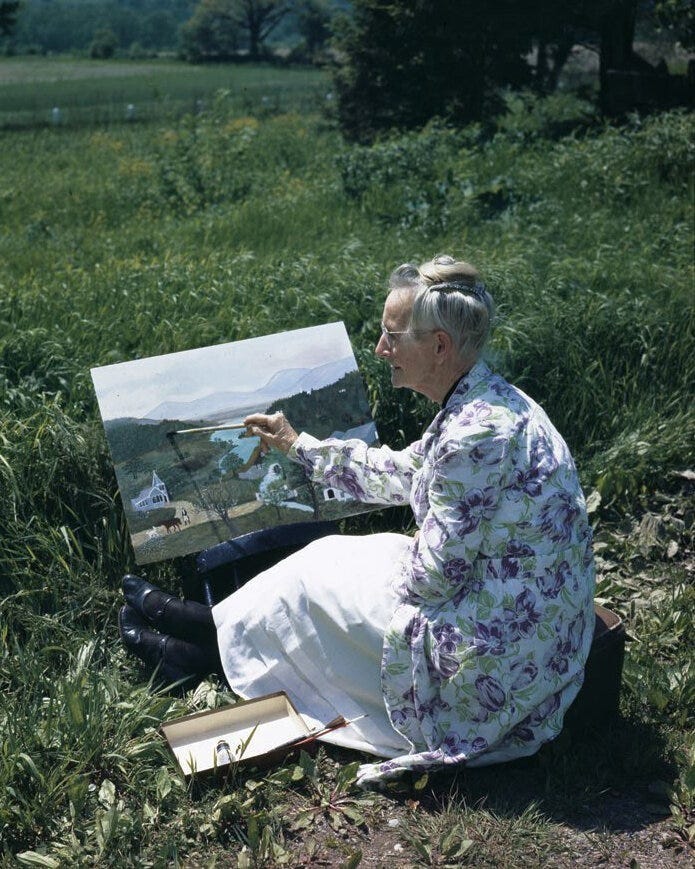
So now, you can join the legions of folks who found their creative voices as adults. Leonard Cohen released his first album at 33 after tapping away at poetry and novels to little success. Grandma Moses started painting at 78, because her arthritis wouldn’t let her embroider any longer- previous to that, she’d been raising ten children.
Vera Wang designed her first wedding dress at 40, and promptly became the patron saint of bridezillas everywhere. And Diana Athill, one of the all time greats, published her first memoir at 45 and wrote nine more before she died at 101.
Getting older means getting clearer about who you are and what you love. And it sounds like you are a pissed off queer loud mouth (truly the only kind of person worth knowing!) who loves making things. It’s tempting to wait- for your parents’ rules and regulations then to stop dictating who you are now, for your flaming anger to quiet down to embers- before you start letting your artistry flow. But we want you now, just as you are, with so much to say and the space to finally say it.
We’re both [born in] 86!! As someone who’s about to turn 40 as well, I wonder if there are goals you feel like you haven’t accomplished yet, and how do you reconcile comparing yourself to your peers who may have achieved that thing you still have hopes of doing?
Ira! Thrilled to be speaking directly to the person who brought “keep it!” into the American lexicon (does it ever annoy you when people feel compelled to say that phrase to you? Is it your “voice of a generation”?) And so glad to be boarding the 40 bus with you.
It’s funny, because in the intro to your question you said you felt odd asking me because [insert nice things Ira said about my career here, which I won’t share because I’m secretly a very shy person!] But I felt the same about you- you’ve had such a unique and lengthy career that I was shocked you would feel any twinges of that compare and despair. Isn’t it interesting how we assume that everyone else is somehow magically free of all this totally universal baggage?
And yet none of us are!
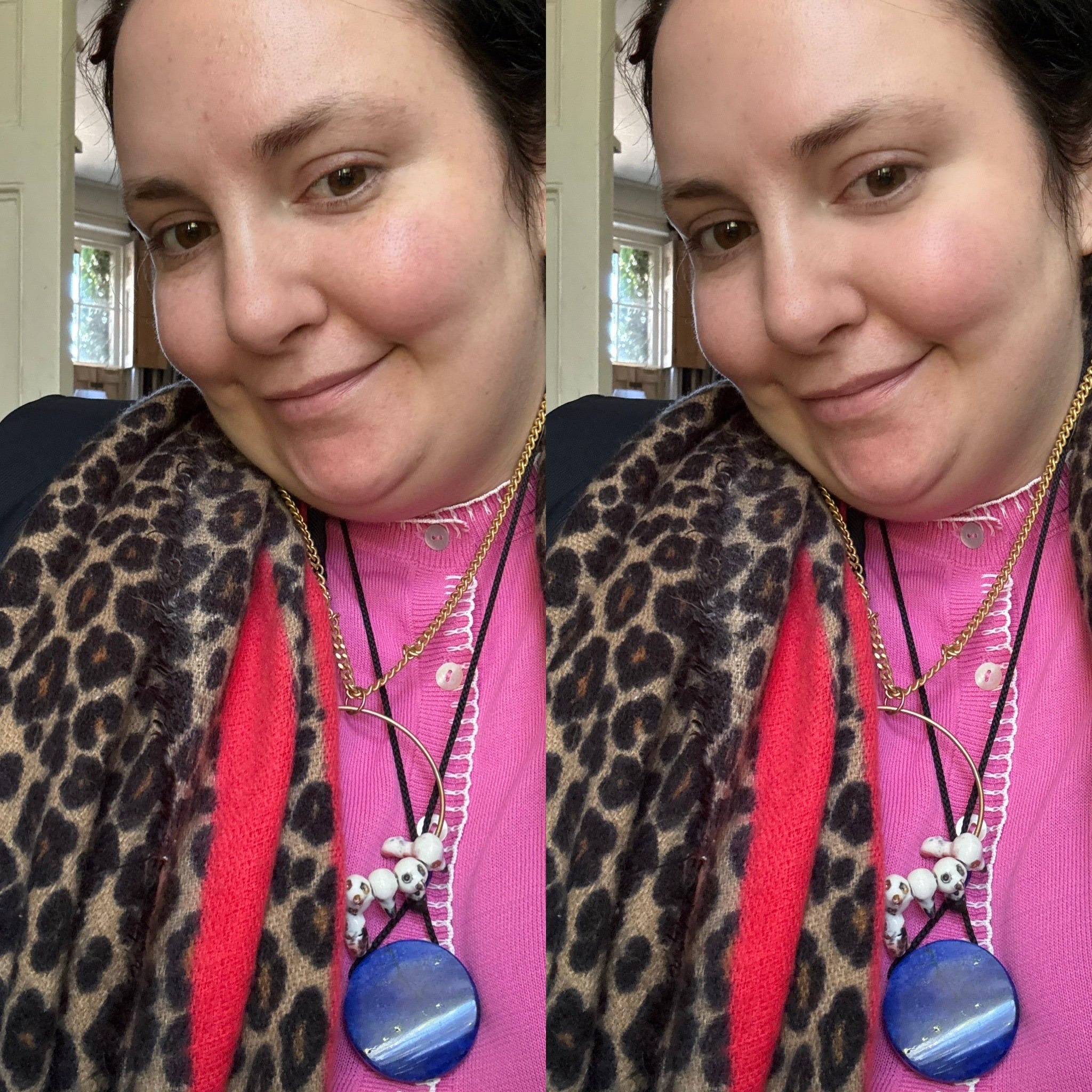
To get specific: career envy has never been my drug of choice. To be frank, that is probably because my career took me on such a wild ride, and the car pulled out of the lot so early, that I never had the chance to feel those things, or much at all. I was holding on for dear life! But that doesn’t mean I wasn’t comparing and despairing away – boy, was I. My version was mostly focused on typical markers of adulthood, like marriage and children. Lots of my friends got married in our twenties and started having babies around thirty, and during that time I was grappling with infertility and in and out of some pretty unhealthy relationships. I measured against when my mother had met my father (27!) and had me (36!) and was despondent when those years came and went without the same result. I became panicked, imagining myself as an older mother, or not a mother at all.
Some of this was because I really did want children very badly, and to find a companion in life. But a lot of it also… wasn’t. It was about proving my normalcy and worth, and being able to keep up with my stroller-wielding, tasteful-antique-diamond wearing friends. If I had what everyone else did, then I wasn’t just the sum of every foible or fuck up or insult. I was someone worth a frilly dress, a bouquet, nameplate necklace that says “mama” or whatever people are getting as “push presents” these days. After my actual wedding, at 35, I said to my mother “I know I want a little over the top with the decorations” and she said “that’s okay, I think you had some stuff to prove.”
But life is the most joyful when we have nothing to prove. My infertility -- something I couldn’t change, no matter how hard I tried -- forced me to sit with that. And I’m so glad it did, and that I didn’t have an impulse child at twenty-eight just to prove I was able to. It indirectly but perfectly led me to a marriage that has surprised me in so many wonderful ways, and a family that is expanding in its own time.
This is all to say that age as a measuring stick often keeps us from doing what we need to do at the time we actually need to do it. There are so many reasons to not have achieved a big goal yet, but most often it’s because life is just life-ing along – family obligations, mental or physical health challenges, the need to support oneself financially which takes all your energy so you have none left over to power into the future. But getting older also teaches us how to spin plates, stretch ourselves and make room: to create, to be in love, to do the big thing(s) we shunted off the list because the list was too long.
Your age will only make the thing you do better, and once you do it you will feel so puffy with pride that you won’t be worrying about the people that got there first.
In fact, the beauty is that no one else is headed in your direction.
‘Til soon,
xxL
This really resonates: “Your age will only make the thing you do better, and once you do it you will feel so puffy with pride that you won’t be worrying about the people that got there first.” Always feeling like we’re trying to catch up is the very trap that keeps us believing we’re behind. You are where you were meant to be. Easier said than embraced, but once we can, we can start to forget about who we think “beat us to it.”
There’s no time limit on any of this -my book comes out in a couple weeks— I’m 57, although still feel exactly the same as I did at 26 (except my knees, which are 96). My book touches on the psychology of comparison. Whether career, children, or what-have-you, there will always be someone who did it first or better or differently. And it’s ok. How boring would it be if we were all out here just checking off the same list of goals?
(PS ‘Ted hose’ are the closest I’ve come to a goal of doing a ‘Ted talk’, but I’ll get there.)